ARTICLE · The business
Season 2 Episode 15 Preparing Children for the Future: A Tech Literacy Guide
A child understands a technical skill more deeply when they can explain it, adapt it, and decide when it is useful.
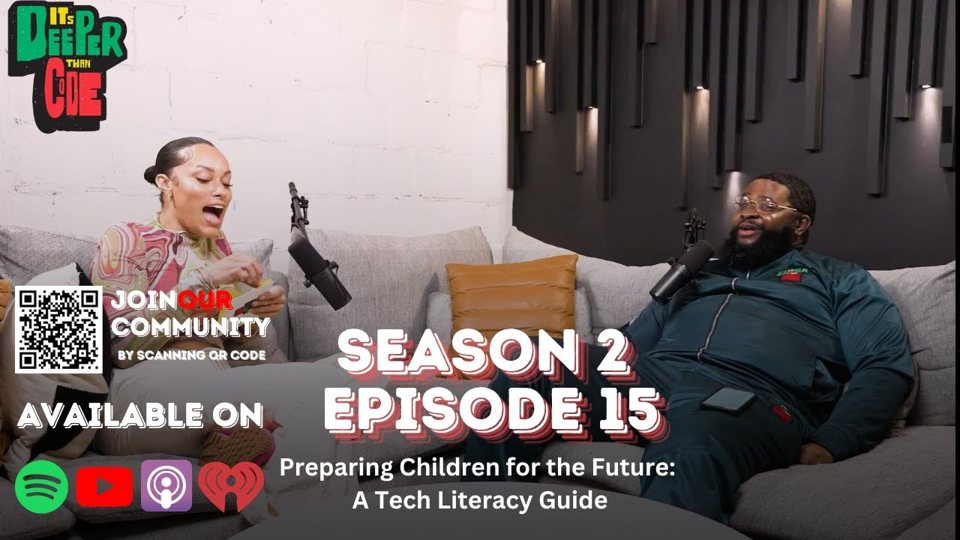
Season 2 Episode 15 Preparing Children for the Future: A Tech Literacy Guide
YouTube stays disconnected until you choose to load this player. Loading connects to Google/YouTube, which receives your IP address and may use cookies or browser storage.
Arthur's tech literacy discussion introduces EDIP: Explain, Demonstrate, Imitate, Practice. The sequence gives a learner several ways into a new skill, while giving an adult opportunities to notice where understanding is still forming.
Take a simple task such as organizing files. Explain why folders help, demonstrate saving a drawing in a named folder, and let the child repeat the process. Then change the situation: ask them to create a place for a different project and explain their choice. That final variation reveals more than a perfect copy of the demonstration.
Move from remembering to making judgments#
The episode's discussion of levels of thinking points toward an important distinction. Remembering a term, applying a method, comparing options, and evaluating a result place different demands on a learner. A child who can name a browser may still need practice judging information encountered through it.
Questions can make that thinking visible. “How did you decide?” and “What would you try if this did not work?” invite reasoning without turning every activity into a test.
Self-directed learning grows through manageable independence. Let the learner attempt something, notice the result, and seek help with a specific difficulty. The goal is more than early familiarity with devices. It is the confidence and judgment to learn new tools, question outputs, and keep making sense of an unfamiliar problem.
See also