ARTICLE · The business
Episode 7: Echoes of Creativity: From Renaissance Masters to Modern Digital Pioneers
A creative renaissance involves tools, communities, patrons, and new ways for people to encounter and value one another's work.
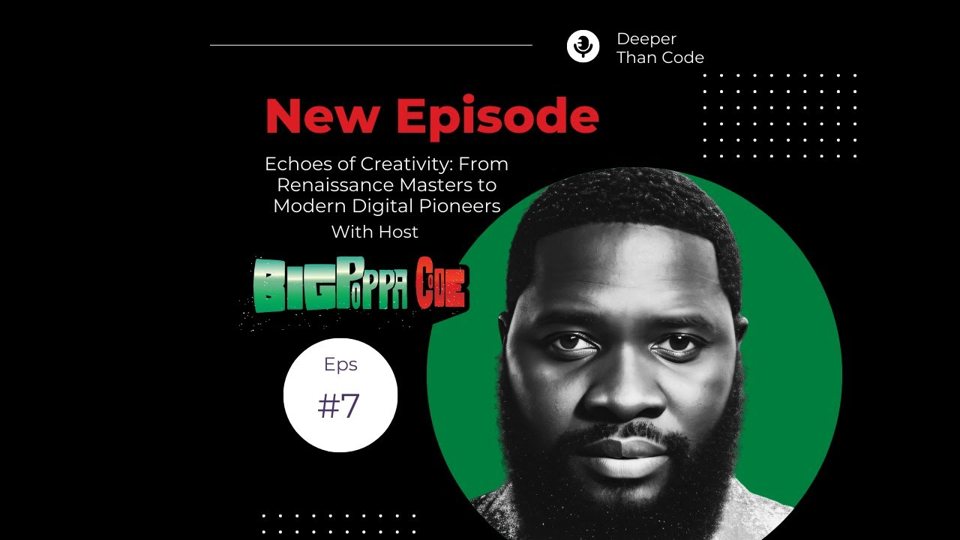
Episode 7: Echoes of Creativity: From Renaissance Masters to Modern Digital Pioneers
YouTube stays disconnected until you choose to load this player. Loading connects to Google/YouTube, which receives your IP address and may use cookies or browser storage.
This episode connects the Italian and Harlem Renaissances with digital creativity, blockchain, and NFTs. The comparison is most interesting when it asks what allows a creative movement to flourish, rather than treating a new tool as a movement all by itself.
Artists need ways to practice, exchange ideas, find audiences, and sustain their work. New distribution and ownership mechanisms can change those relationships. They also introduce new gatekeepers, incentives, and uncertainties.
Separate the artwork, the record, and the rights#
An NFT can provide a token associated with a work, but the token, the artwork, and permission to use that artwork are distinct things. The U.S. Copyright Office and USPTO's joint study specifically addresses confusion about intellectual property rights in NFT transactions. A buyer needs to understand what the particular arrangement actually provides.
That distinction helps move the discussion beyond spectacular sale prices. What does the technology allow an artist or audience to do differently? Does it improve access, attribution, support, or participation? Which parts of the experience still depend on a platform or another organization?
For a creator, the enduring question is how the work reaches people and what relationship forms around it. A new mechanism may change that relationship, but the creative substance, the surrounding community, and the ability to keep making work remain central to any lasting renaissance.
See also